

Food Allergies in Babies: How to Introduce Fish and Shellfish Safely
Written by Dr. Taylor Lin, MD, Board-Certified Pediatric Allergist, Immunologist and Catharine Seiler, RD, Pediatric Dietitian, both Advisors at Bébé Foodie

It’s summer, and many of us are eating more seafood this time of year. As you may know, seafood, more specifically finned fish and shellfish, are allergenic foods. They are two of the top 9 most allergenic foods, along with peanuts, tree nuts, milk, egg, wheat, soy, and sesame. For parents concerned about food allergies in babies, knowing when and how to begin introducing seafood to babies can make the process feel more manageable.
There has been a substantial amount of data to support early introduction (around 6 months of life) of peanut and egg into infant diets as a method to reduce the risk of developing a food allergy. Landmark clinical studies including the LEAP trial have paved the way for prevention of food allergies in certain high risk children. So what does this mean for other allergenic foods, specifically fish and shellfish?
Why seafood deserves special attention
There are no dedicated studies evaluating if feeding seafood early in infancy actually prevents a food allergy to seafood, and there is also no evidence that delayed introduction of seafood increases the risk of food allergy development. That said, many allergists and pediatricians will apply what we’ve learned about early introduction of other foods to guide our recommendations for fish and shellfish. In my clinical practice, I recommend introducing a wide variety of foods to children early on, as the evidence for early introduction of peanut and egg has clarified that frequent exposure to allergenic foods in infancy can indeed prevent allergy in some children. Therefore, I support families in offering fish and shellfish in the first year of life. As with everything, there are caveats. Many families I care for avoid shellfish for religious reasons. The data on shellfish allergy prevention is not strong enough for me to ever recommend introduction when in conflict with religious beliefs. Many families do not eat fish or shellfish out of preference, in which case I also do not mandate introduction of these foods due to lack of evidence of benefit and low risk of harm with avoidance. If the child’s family enjoys eating fish and shellfish in their diet, they should introduce it to their child as they share meals together.

Fish vs. shellfish allergies in babies: What’s the difference?
The primary difference between fish and shellfish is that fish have backbones and fins, while shellfish are invertebrates with outer shells or exoskeletons.
Which counts as finned fish?
A few types of fish: salmon, cod, flounder, haddock, tilapia, tuna, halibut (click here for a more extensive list)
What counts as shellfish?
Shellfish are identified within 2 categories:
Crustaceans: Includes shrimp, crab, lobster, and crawfish (the leading cause of severe shellfish reactions), prawn, langoustine, crawfish.
Mollusks: Includes bivalves like clams, oysters, scallops, and mussels; cephalopods such as squid and octopus; and gastropods including abalone, snails, and whelk.
Important note: Allergies to crustaceans are more prevalent and only this category must be disclosed on US food labels under the Food Allergen Labeling and Consumer Protection Act (FALCPA) regulations (excluding mollusks)
When Can Babies Start Eating Fish and Shellfish?
Babies can start eating fish and shellfish at around 6 months of age, when they are ready for solid foods. This is usually best introduced after a few low-allergy risk foods have been tried and tolerated. For example, fruits or vegetables like bananas, avocado, or sweet potatoes. Some of the best fish for babies are soft, easy to flake, and lower in mercury.
For finned fish, some common options to start with are:
-
Salmon - an excellent source of omega-3 fats that are essential for brain and heart health.
-
Cod - a mild tasting fish that easily pairs with other foods and is a great source of iodine
-
Sardines - canned in water varieties require very little prep and are excellent sources of selenium, omega-3, vitamin B12, calcium, and vitamin D
All three options are low in mercury and flake easily for safe feeding.
For shellfish, here are great options to start with:
-
Shrimp - an excellent source of protein, selenium, vitamin B12 and iodine
-
Scallops - provide a mild flavor and great source of zinc
-
Crab - an excellent source of omega-3 and vitamin B12
With any seafood, it is important to follow a few guidelines when it comes to offering and introducing safely - more on this below.
How to prepare fish and shellfish for babies by age
Learning how to prepare fish for babies involves more than cooking it thoroughly—it also means removing bones and adapting the texture to the child’s developmental stage.
How to serve fish around 6 months
This is typically when babies begin exploring purees or soft mashed foods, and fish can be introduced early.

Preparing fish safely when starting solids
How to prepare:
-
Remove bones carefully - run clean fingers through the flesh to check
-
Cook thoroughly (flaky and opaque all the way through). Fish should reach an internal temperature of 145 degrees Fahrenheit (63 degrees Celsius) - having an instant-read food thermometer can be helpful to have in the kitchen
-
Remove skin
-
Mash or puree with breast milk, formula, or water to a smooth consistency
-
Start with a small amount (a teaspoon or less) on the first try
Avoid: whole pieces of shellfish, anything with shell fragments, and high-mercury fish (shark, swordfish, king mackerel, tilefish, bigeye tuna).
How to serve fish and shellfish from 6 to 9 months
As babies develop their pincer grasp and get more comfortable with textures, you can move toward softer finger foods.

Preparing seafood as a soft finger food
How to prepare:
-
Flake fish into soft, thumb-sized strips or small flakes baby can pick up
-
Continue to check thoroughly for bones
-
Shellfish can be minced or shredded finely, since these can be a choking hazard whole
-
Mix flaked fish into other soft foods (mashed sweet potato, rice, avocado) for easier eating
-
Keep portions well-cooked and moist to prevent dryness that's harder to swallow
Avoid: whole shrimp or shellfish pieces, raw or undercooked fish/shellfish, and fish with small bones that are hard to detect (like some canned fish varieties).
How to serve seafood from 10 to 12 months
By this age, many babies can chew more effectively and self-feed with more control, so textures can become closer to what the rest of the family eats.

Preparing bite-sized fish and shellfish safely
How to prepare:
-
Offer small, bite-sized pieces of flaked or diced fish
-
Shellfish can be chopped into small, manageable pieces (still avoid whole shrimp or large chunks that pose choking risk)
-
You can start incorporating fish into mixed dishes - fish cakes, soft fish tacos, pasta with flaked fish
-
Continue avoiding raw preparations (sushi, sashimi, cold-smoked fish, lox, ceviche, oysters on the half shell) due to foodborne illness risk
-
Portions: about 1- 2 tablespoons per meal to start is typical at this stage
Seafood safety for babies: Choking and mercury tips
A few safety notes worth including regardless of age:
-
Always introduce a new fish or shellfish on its own. Avoid mixing into a food you baby has never tried before so you can identify the source of any reaction
-
Follow FDA/EPA mercury guidance on fish choices and serving sizes for young children
Salmon Croquettes - An easy recipe for 8 months and up
This croquette is a gentle introduction to the world of seafood with an irresistible crust and smooth, savory filling. Serve with a herby, yogurt-based dip to up the fun factor.
Age: 8+ months
Prep time: 15 minutes
Cook time: 15 minutes

Ingredients
-
14 oz Canned Salmon
-
1 Tbsp Olive Oil
-
1 cup Chopped Vegetables
-
2 Eggs (divided)
-
2 tbsp Parsley
-
3/4 cup All-purpose Flour (divided)
-
1 cup Panko Bread Crumbs
-
1 tsp of seafood seasoning (optional)
Directions
-
Drain the salmon and add to a large bowl.
-
In a saute pan, heat the olive oil over medium heat and add chopped vegetables. Cook until soft.
-
Add the vegetables, 1 whisked egg, parsley, seasoning, ¼ cup flour to the salmon.
-
Stir the salmon mixture until fully combined and chill for 10 minutes.
-
Using a cookie scoop or your hands, form 2 inch balls of the chilled mixture.
-
Lightly dip each croquette into ½ cup flour, then 1 whisked egg, then panko bread crumbs - all placed on separate shallow plates.
-
In the saute pan, add the croquettes to a shallow layer of oil over medium heat and lightly fry until crisp and golden, about 4 minutes. Flip and repeat.
What can a seafood allergy look like in babies?
Parents should know the common seafood allergy symptoms in babies, especially when offering fish or shellfish for the first time. Whenever introducing a new “top 9” food, you should be monitoring your child for signs of an allergic reaction. Allergic reactions happen quickly, usually while eating or soon thereafter, and your previously well child will start to have symptoms. Signs and symptoms of reactions include:
-
Hives (raised, red, itchy bumps on the skin that look like mosquito bites)
-
Swelling around the eyes, lips, or face
-
Scratching
-
Pulling at tongue
-
Red flat blotchy rash around the mouth, redness of ears or other areas of the body
-
Eczema flare - areas where eczema is present become bright red
-
Vomiting, gagging
-
Diarrhea
-
Irritability
-
Refusal to continue eating
-
Wheezing (high pitched whistle-like) or noisy breathing
-
Persistent cough after eating
-
New nasal congestion or runny nose
-
Difficulty breathing
-
Hoarse or weak cry
-
Infant not responding to you
-
Loss of consciousness (passing out)
-
Appearing pale
What to do if your baby may be having an allergic reaction to seafood
Knowing what to do if a baby has an allergic reaction can help families respond promptly and seek the appropriate care. If your child has a mild rash after eating, but is otherwise acting normally, give an age appropriate dose of liquid cetirizine (Zyrtec ® ) and call your on-call pediatrician or allergist. This is now preferred over liquid diphenhydramine (Benadryl ®), but if that is all you have you can use that.
If your child has any other severe symptoms including coughing, breathing difficulties, changes in their behavior, vomiting, or you are worried about them, call 911. Tell them you think your child is having an allergic reaction. They will be able to treat your child quickly with epinephrine, which can be life-saving in severe allergic reactions.

Introducing seafood to your baby with confidence
Introducing fish and shellfish can feel like a big step, especially when food allergies are on your mind. Starting around 6 months, when your baby is ready for solids, you might begin with a small amount of well-cooked, properly prepared seafood that works for your family.
There is no single perfect seafood or feeding schedule for every baby. Focus on lower-mercury choices, age-appropriate textures, and watching for signs of an allergic reaction. Once your baby has tried fish or shellfish without a reaction, you can continue including it in your family’s regular meal rotation. Once weekly is probably plenty to maintain good immune tolerance.
If your baby has eczema, an existing food allergy, or a history of reactions, your pediatrician or allergist can help you decide on an approach that feels safe and manageable. Whether seafood becomes a family favorite or simply an occasional option, the goal is steady, pressure-free exploration—one taste at a time.

Written by Dr. Taylor Lin
Pediatric Allergist & Advisor at Bébé Foodie
Meet Dr. Taylor Lin, our go-to expert on allergies and immunology! Dr. Lin serves families in southeast Michigan as an allergy and immunology physician with Allergy & Immunology Associates. With top-notch training from the University of Michigan and a specialty fellowship in pediatric food allergy, she’s not just highly qualified—she’s also a mom to a child with food allergies herself! Dr. Lin directs her clinic's food oral immunotherapy program and brings evidence-based, accessible advice to families through her role with Bébé Foodie.

Written by Catharine Seiler RD
Pediatric Dietitian & Advisor at Bébé Foodie
Catharine Seiler is a pediatric dietitian with over 14 years of experience in both clinical and outpatient settings. She’s worked at Boston Children’s Hospital and now supports families daily at Lexington Pediatrics. At Bébé Foodie, Catharine lends her expertise to help parents feel confident about nutrition, from growth concerns to picky eating and food allergies. As a mom of two, she brings both professional insight and a real-life understanding of what feeding kids actually looks like.
This blog post is for information purposes only and shouldn’t be used as personal, health, nutritional, or medical advice. Always consult with your pediatrician before making any decisions about your child's health or readiness for various foods.
Popular Posts



Share this
Want extra support when introducing allergens?
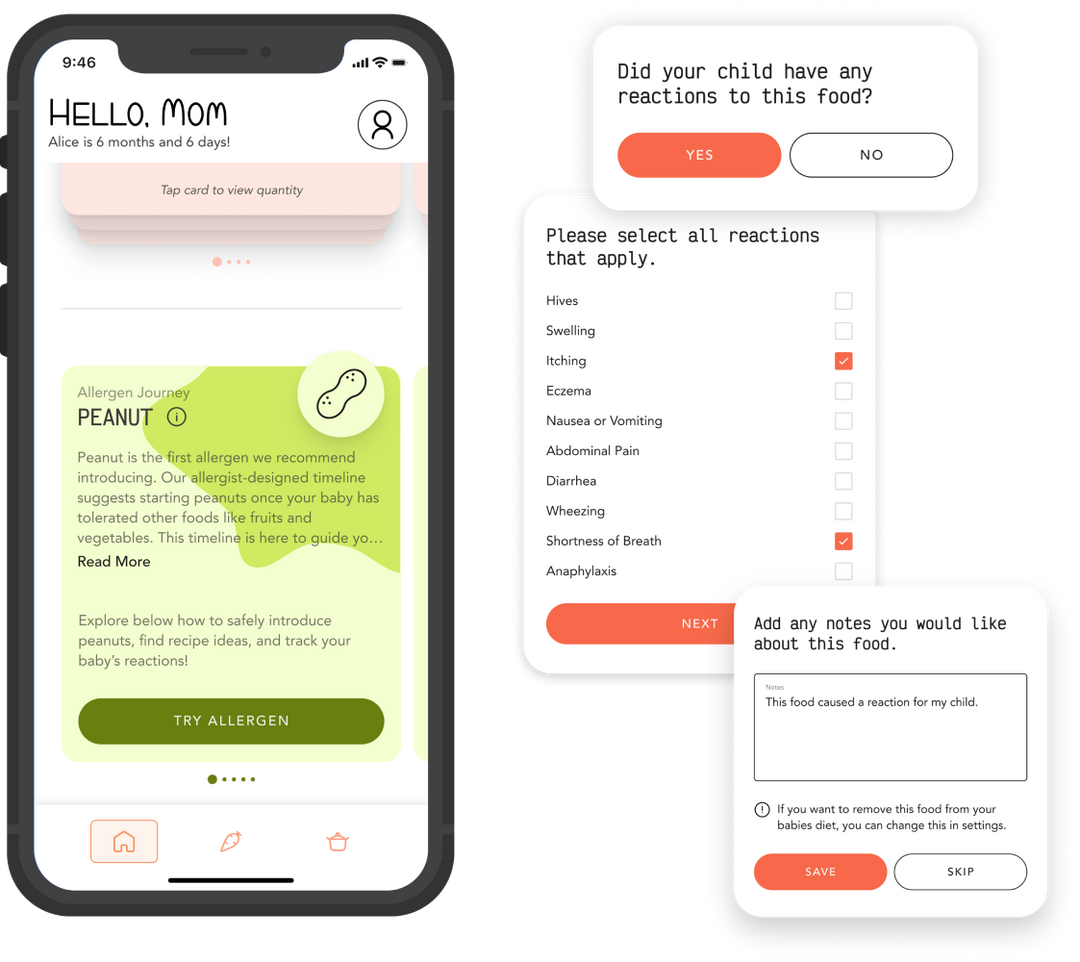
Allergen guidance created by a pediatric allergist at your fingertips in the Bébé Foodie App.
🥜 Top allergens explained clearly
⏱ Timing guidance for allergen introduction
✔️ Easy tracking for allergens tried
⚠️ Track symptoms and make notes
Leave a comment