

How to Safely Introduce Peanuts to Babies with Easy Everyday Recipes
Written by Whitney Cardosi, Chef & Advisor at Bébé Foodie

Introducing peanuts to your baby can feel intimidating. For years, parents were told to avoid allergens for as long as possible, and now the messaging has completely flipped. We know now that early introduction of allergenic foods could actually help prevent allergies. If you’re feeling a little confused or nervous, you are definitely not alone.
The good news? Peanut introduction does not need to be complicated, stressful, or a separate “task” you have to remember to do perfectly. Once your baby is developmentally ready for solids, peanuts can simply become part of the foods your family already enjoys.
The goal is not perfection. The goal is familiarity.
In this post, we’ll walk through:
-
How to safely introduce peanuts to babies
-
Why consistent peanut exposure matters
-
Easy peanut recipes for babies at different stages of infancy
-
Simple ways to keep peanuts in rotation without overthinking it
When can babies start eating peanuts?
Research now shows that introducing peanuts early may help reduce the risk of developing a peanut allergy, especially when peanuts remain part of a baby’s regular diet over time.
Organizations like Food Allergy Research & Education (FARE) Peanut Introduction Guidelines recommend introducing peanut-containing foods once babies are developmentally ready for solids, typically around 4–6 months depending on the child and guidance from their pediatrician.
For most healthy, low-risk infants, peanuts can be introduced at home as part of normal meals.
Can babies eat peanuts at 4 to 6 months?
Many babies can begin peanut exposure once they are developmentally ready for solids, often around 4–6 months. Every baby is different, and some families may feel more comfortable moving slowly or checking with their pediatrician first.
When to talk with your pediatrician before introducing peanuts
If your baby has:
-
existing food allergies
-
or a strong family history of allergies
it’s always a good idea to talk with your pediatrician or allergist first.
How to introduce peanuts to babies safely when starting solids
One of the biggest misconceptions is that babies should eat whole peanuts or thick spoonfuls of peanut butter.
They should not.
Why whole peanuts are not safe for babies
Whole peanuts are a choking hazard due to the hard small size. Also, thick globs of peanut butter can also be difficult for babies to manage safely. The thick, sticky texture can make it difficult to swallow.
Safe forms of peanut butter for babies
Instead, peanuts should be offered in forms like:
-
thinned peanut butter
-
peanut powder mixed into foods
-
peanut-containing baked goods
-
peanut sauces or blended recipes
How to thin peanut butter for babies
You can thin peanut butter with:
-
warm water
-
breastmilk
-
formula
-
yogurt
-
oatmeal
The goal is a smooth, manageable texture that is easier for babies to eat safely.

Safe and simple ways to serve peanut butter to babies
When using peanut butter, choose:
-
freshly ground peanut butter
-
or natural peanut butter with minimal ingredients
Ideally, the ingredient list is just peanuts.
Skip varieties with added sugars, hydrogenated oils, or unnecessary fillers, especially for babies under one.
What type of peanut butter is best for babies?
Some families find natural peanut butter easier because it usually contains fewer added ingredients and blends well into baby-friendly meals.
How to choose peanut butter with simple ingredients
A simple ingredient list can make peanut introduction feel less overwhelming. In many cases, peanuts and maybe a little salt are all you need.
Easy peanut foods babies can safely eat
Some easy ways to serve peanuts include:
-
peanut butter swirled into oatmeal
-
peanut powder mixed into yogurt
-
peanut sauces with noodles
-
peanut-containing baked goods
Why keeping peanuts in rotation matters after introduction
Introducing peanuts once is only part of the picture.
Current guidance encourages keeping allergenic foods in regular rotation after introduction so babies continue building familiarity with those foods over time.
That does not mean:
-
tracking peanuts on a calendar
-
stressing over exact schedules
-
forcing daily exposure
It simply means allowing peanuts to show up naturally in your family’s meals every so often.
How often should babies eat peanuts after introduction?
Some families may not know that potential allergens should be integrated into family feedings weekly. Once peanuts are introduced, it’s recommended to have them 2-3 times a week.
Low-pressure ways to keep peanut exposure consistent
Think:
-
oatmeal one morning
-
peanut butter toast another day
-
peanut sauce with noodles at dinner
The more “normal” peanuts feel in your kitchen, the easier this whole process becomes.
Introducing allergens does not need to feel overwhelming or overly clinical. Consistent, low-pressure exposure through everyday meals can help these foods become a normal part of family life.
Easy peanut recipes for babies that fit into real life
These recipes are intentionally simple. The goal is to help parents build peanut exposure into real-life meals, not create complicated “allergen recipes.”

Creamy peanut banana oatmeal
Best for babies 6 months+
Prep Time: 5 minutes
Cook Time: 5–7 minutes
This is one of the easiest ways to introduce peanuts because it naturally fits into breakfast.
Ingredients
-
1/4 cup oats
-
1/2 cup water or milk of choice
-
1 tsp natural peanut butter
-
2 tbsp mashed banana
Directions
-
Cook oats until soft and creamy.
-
Stir in mashed banana.
-
Thin peanut butter with a little warm water until smooth.
-
Swirl into oatmeal and mix well.
For younger babies, blend smoother if needed.
For older babies, leave more texture.
Why this recipe works for peanut exposure
It feels like a normal breakfast, not a “special allergen meal,” which makes it much easier to keep in rotation.

Peanut butter yogurt swirl
Best for babies 6 months+
Prep Time: 3 minutes
Cook Time: None
This is the perfect “I need breakfast in two minutes” option.
Ingredients
-
2–3 tbsp plain full-fat yogurt
-
1 tsp natural peanut butter
-
1–2 tbsp mashed berries or banana (optional)
Directions
-
Thin peanut butter with a splash of warm water.
-
Stir into yogurt until smooth.
-
Add mashed fruit if desired.
Serve smooth for younger babies or thicker for older babies practicing self-feeding.
Why this recipe works for peanut exposure
No cooking. Minimal cleanup. Easy exposure.

Peanut butter French toast sticks
Best for babies 8 months+
Prep Time: 5 minutes
Cook Time: 5–7 minutes
A baby-friendly version of a classic family breakfast.
Ingredients
-
1 slice soft bread
-
1 egg
-
2 tbsp milk
-
1–2 tsp natural peanut butter
-
Optional: pinch of cinnamon
Directions
-
Whisk egg and milk together.
-
Dip bread into mixture until coated.
-
Cook on a skillet over medium heat until golden on both sides.
-
Spread a very thin layer of peanut butter on top while warm.
-
Cut into strips for easy grabbing.
Why this recipe works for peanut exposure
It’s soft, easy to hold, and lets babies practice oral motor skills while keeping peanut exposure part of a familiar meal.
Simple ways to include peanut butter in everyday baby meals
You do not need a system.
You just need peanuts to show up naturally every now and then. For most babies, offering allergens as part of real meals and whole foods is ideal whenever possible.
Easy meal ideas with peanut butter for babies
Simple ways to include them:
-
Stir into oatmeal
-
Add to smoothies
-
Swirl into yogurt
-
Mix into pancake batter
-
Blend into sauces
-
Spread thinly on toast
That’s it.
Some weeks you’ll remember more than others. Some weeks life will feel chaotic. That’s normal.
The goal is consistency over time, not perfection.
Simple peanut butter snacks for babies
Some families also find it helpful to keep simple options on hand like:
-
yogurt with peanut butter stirred in
-
toast fingers with thinly spread peanut butter
-
soft muffins made with peanut butter
-
smoothies blended with nut butter
And yes, sometimes meals really do look like toast, yogurt, and fruit. That still counts.
Shared family meals can make allergen introduction feel simpler
And honestly? It just makes life easier when babies can eat modified versions of what the rest of the family is already having.
Some families use homemade meals. Others lean on store-bought foods some days. Most do a mix of both. There is room for all of it.

Peanut introduction does not have to feel stressful or complicated
Peanut introduction does not need to feel scary or overwhelming.
You don’t need complicated schedules.
You don’t need perfect routines.
You don’t need separate “baby allergen meals.”
Instead, keep it easy with these tips:
Real food.
Simple meals.
Consistent exposure over time.
That’s enough.
And remember: the goal isn’t just introducing peanuts. It’s helping your baby build a comfortable, familiar relationship with food from the very beginning.

Chef & Advisor at Bébé Foodie
Whitney Cardosi is a recipe developer and the founder of Wellness with Whit, where she helps millennial moms simplify health and nutrition through coaching, cooking classes, and workshops. At Bébé Foodie, Whitney brings her passion for joyful, stress-free family meals to life with nourishing recipes designed for little ones and their parents. She's also the author of In the Kitchen: Healthy Meals You’ll Actually Enjoy, a cookbook full of family-friendly inspiration.
Popular Recipes


Share this
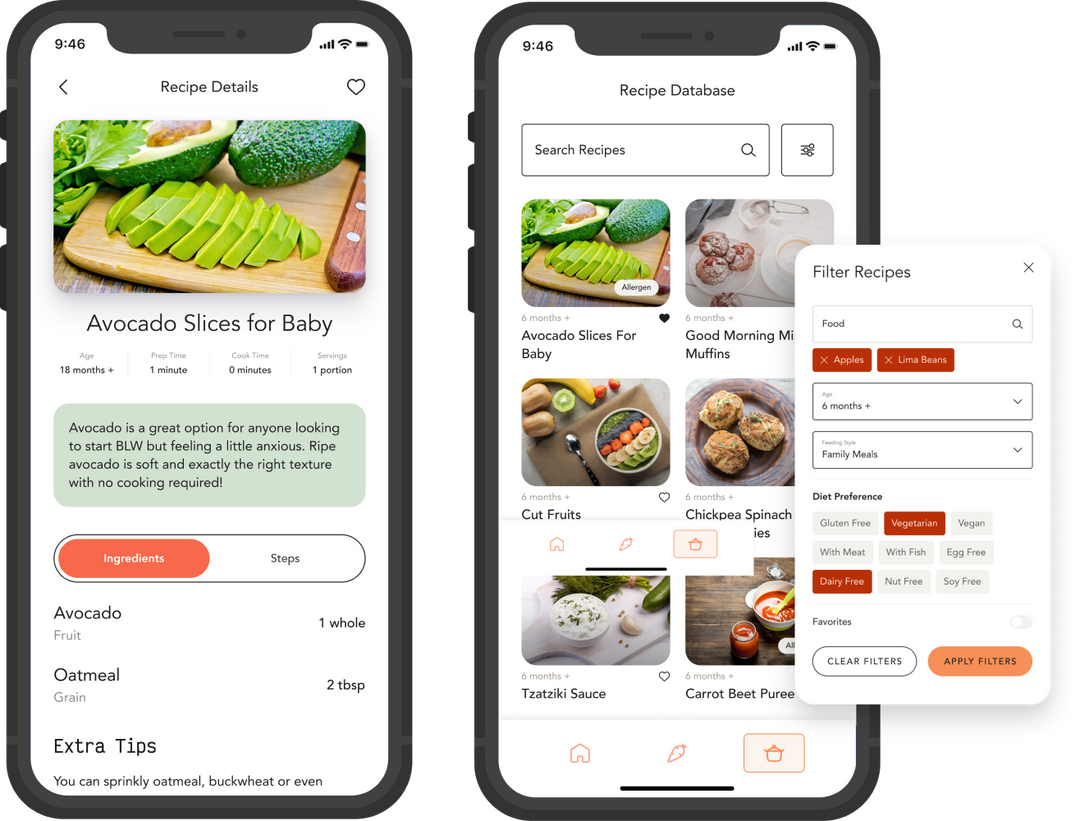
Hungry for More Baby-Friendly Recipes?
Get access to over 400 recipes tailored to your baby’s age, stage, and dietary needs - exclusively on the Bébé Foodie App.
👶 Personalized feeding plans for every stage
🥗 Recipes designed by pediatric nutritionist & chefs
📱 Track foods, log allergies, and stay organized
⏱️ Save time with quick, no-fuss meal ideas

Leave a comment