

Acute FPIES in Babies: Symptoms, Common Triggers, and When to Seek Care
Written Dr. Taylor Lin, MD, Board-Certified Pediatric Allergist, Immunologist & Expert at Bébé Foodie

Here at Bébé Foodie we work hard to educate parents about allergic reactions, including how to identify them, and what to do if they are present. Much of our content focuses on the more common type of food allergies, also called IgE-mediated food allergies.
There is another type of food allergy with a delayed presentation that is also important to be aware of. This is called Food Protein-Induced Enterocolitis Syndrome (FPIES for short). FPIES often goes unrecognized because it does not look like the "classic" allergic reactions most people associate with food allergies. We will get you up to speed on the basics so you can easily identify it!
As both a board-certified pediatric allergist and immunologist and a mother of two children with this condition, I can uniquely understand the uncertainty and anxiety that can accompany this diagnosis. Fortunately, with proper recognition and management, most children with FPIES do very well and eventually outgrow the condition. Let’s dive in!
What is FPIES, and why does it happen in babies?
Acute Food Protein-Induced Enterocolitis Syndrome (FPIES) is a non-IgE-mediated food allergy that primarily affects infants and young children. Unlike typical food allergies that cause hives, swelling, or difficulty breathing within minutes of eating a food, FPIES involves an abnormal immune response in the gastrointestinal tract leading to an inflammatory response. FPIES can occur in children and adults.
The condition can lead to severe vomiting, extreme fatigue, dehydration, and, in some cases, shock-like symptoms. Because symptoms occur hours after eating and often resemble a stomach virus or gastrointestinal illness, FPIES can be misdiagnosed, especially during a child's first reaction.
How FPIES is different from a typical food allergy
Although FPIES is not fully understood, it is believed to result from an inappropriate immune response within the intestinal lining to a certain food. Immune cells in the gastrointestinal tract become activated, leading to inflammation.
This makes the gut more “leaky” and triggers the classic symptoms of profuse vomiting, diarrhea, and lethargy. There is evidence that serotonin, a neurotransmitter, also plays an important role in the condition.
Why FPIES symptoms can appear hours after eating
Because the immune pathways involved differ from those of IgE-mediated food allergy, traditional allergy testing is often negative despite significant reactions.
Which foods are most likely to trigger FPIES in babies?
About 0.5% of children in the US have FPIES to at least one food. Any food has the potential to trigger FPIES, but some foods are more commonly implicated than others.

Common FPIES trigger foods in infancy
Common infant triggers include:
-
Cow's milk
-
Soy
-
Oat
-
Rice
Other frequently reported triggers include:
-
Banana
-
Avocado
-
Egg
-
Peanut
-
Sweet potato
-
Pea
-
Poultry
Many of these foods are commonly offered during the first year, so it’s helpful to have a plan for introducing new foods one at a time. Higher risk FPIES foods vary geographically. Some children react to only one food, while others may have reactions to multiple foods.
What parents should know about introducing new foods after an FPIES diagnosis
Importantly, having FPIES to one food does not automatically mean a child will react to all foods within the same food group. Some siblings have FPIES, but many families have only one affected child.
What does an FPIES reaction look like in babies?

When do FPIES symptoms usually start?
The classic presentation of FPIES is known as an acute reaction.
Symptoms typically begin 1 to 4 hours after ingestion of the trigger food and may include:
-
Repetitive, severe vomiting
-
Pale appearance
-
Lethargy* or unusual sleepiness, decreased responsiveness
-
Diarrhea, usually occurring 5 to 10 hours after ingestion
-
Dehydration
-
Hypothermia (low body temperature)
Parents often describe their child as appearing suddenly "very sick" after seeming completely normal earlier. Many families seek emergency care because of this.
When FPIES symptoms may need emergency care
In severe cases, children can develop significant dehydration, low blood pressure, or shock-like symptoms requiring emergency medical care.
The medical term “lethargy” means reduced level of consciousness. A child who is difficult to arouse and/or not responding as expected to stimuli would be considered lethargic. Lethargy typically indicates a severe illness or emergency, and is considered different from fatigue.
How is FPIES diagnosed?
There is no laboratory test that definitively diagnoses acute FPIES. This condition is diagnosed by a pediatrician or allergist and is based on clinical history and recognition of characteristic symptoms.
Current diagnostic criteria for acute FPIES include:
Major criterion
Vomiting occurring 1 to 4 hours after ingestion of a suspect food, without typical IgE-mediated allergic symptoms such as hives or wheezing.
Minor criteria
Examples include:
-
Repetitive episodes with the same food
-
Reaction to another food associated with FPIES
-
Extreme lethargy
-
Marked pallor
-
Emergency department visit
-
Need for intravenous fluids
-
Diarrhea within 24 hours
-
Low blood pressure
-
Low body temperature
How doctors diagnose FPIES
A diagnosis is generally supported when the major criterion and multiple minor criteria are present.
When an oral food challenge may be recommended
When the history is unclear, a medically supervised oral food challenge with an allergist may be recommended to confirm the diagnosis.

What should parents do during an FPIES reaction?
The appropriate response depends on the severity of symptoms.
What to do if symptoms seem mild
If a child has a small amount of vomiting but remains alert and is able to tolerate fluids, parents should:
-
Contact their child's healthcare provider
-
Encourage oral hydration
-
Monitor closely for worsening symptoms
Signs it's time to seek emergency medical care
Seek emergency medical care if your child develops:
-
Repetitive vomiting
-
Hard to arouse
-
Reduced responsiveness
-
Pale appearance
-
Severely dehydrated
How an FPIES action plan can help families feel prepared
Many allergists provide families with a written emergency action plan outlining exactly when to seek emergency care. If your child has known FPIES, they can be treated with a medicine called ondansetron.
Can FPIES be diagnosed with allergy testing?
Why allergy skin tests and blood tests are often negative
One of the most confusing aspects of FPIES for families is that traditional allergy testing is often normal.
Because this condition is not mediated by a protein called IgE, allergy skin testing and blood testing is typically negative. These tests cannot confirm or rule out FPIES, nor can they screen for FPIES risk.
What testing can and cannot tell you about FPIES
The only way to confirm the diagnosis is to perform an oral food challenge. This is where a child eats a small amount of the trigger food under direct medical observation of an allergist.
Because of the risk of severe reactions, trying the food at home is not recommended.
Do babies outgrow FPIES?
The encouraging news is that most children eventually outgrow FPIES!

When children often develop tolerance to trigger foods
The timing varies depending on the triggering food and the individual child. Many children develop tolerance during early childhood, although some food triggers may persist longer, notably fish and egg.
How allergists check whether FPIES has resolved
Because the timing of resolution is unpredictable, allergists typically recommend periodic reevaluation and supervised food challenges when clinically appropriate.
With careful dietary management, regular follow-up, and guidance from an experienced allergist, children with FPIES can thrive and enjoy a wide variety of foods as they grow.
Living with FPIES: Reassurance and support for families
An FPIES diagnosis can feel overwhelming, especially after witnessing a severe reaction in your child. Understanding the condition is the first step toward feeling more confident and prepared.
Although reactions can be dramatic, FPIES is a manageable condition, and the long-term outlook is generally excellent. Working closely with your child's pediatrician, allergist, and dietitian can help ensure nutritional adequacy while safely expanding your child's diet.
Most importantly, parents should know that they are not alone. With growing awareness among healthcare professionals and increasing support within the FPIES community, families today have more resources and guidance than ever before.
References and Resources:
Patient resources: International FPIES Association
Looking for an allergist? Use the American Academy of Asthma Allergy and Immunology Find An Allergist tool

Written by Dr. Taylor Lin
Pediatric Allergist & Advisor at Bébé Foodie
Meet Dr. Taylor Lin, our go-to expert on allergies and immunology! Dr. Lin serves families in southeast Michigan as an allergy and immunology physician with Allergy & Immunology Associates. With top-notch training from the University of Michigan and a specialty fellowship in pediatric food allergy, she’s not just highly qualified—she’s also a mom to a child with food allergies herself! Dr. Lin directs her clinic's food oral immunotherapy program and brings evidence-based, accessible advice to families through her role with Bébé Foodie.
This blog post is for information purposes only and shouldn’t be used as personal, health, nutritional, or medical advice. Always consult with your pediatrician before making any decisions about your child's health or readiness for various foods.
Popular Posts



Share this
Want extra support when introducing allergens?
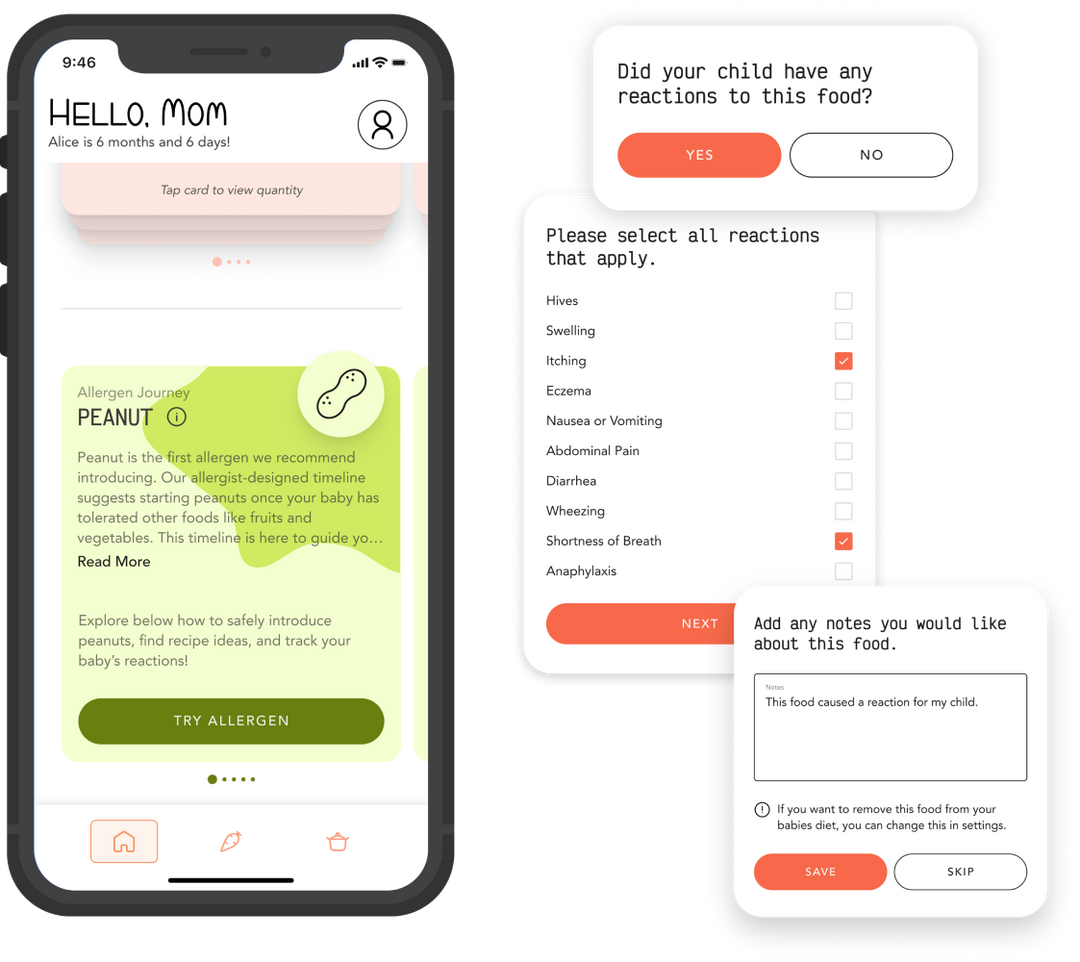
Allergen guidance created by a pediatric allergist at your fingertips in the Bébé Foodie App.
🥜 Top allergens explained clearly
⏱ Timing guidance for allergen introduction
✔️ Easy tracking for allergens tried
⚠️ Track symptoms and make notes
Leave a comment