

How to Serve Broccoli for Baby-Led Weaning: 6, 9 and 12 Months
Written by Lauren Remondino, SLP, Feeding Therapist & Whitney Cardosi, Chef, both Advisors at Bébé Foodie

Broccoli for baby-led weaning can be introduced once your baby is developmentally ready to start solids, typically around 6 months. The best way to serve broccoli will depend on your baby's feeding skills, whether you're offering purées, mashed foods, finger foods, or a combination.
The key is not simply when you introduce broccoli, but also how you prepare and serve it. The texture, size, and shape should match your baby's developmental feeding skills.
Why Broccoli Is a Great First Vegetable for Babies
Introducing vegetables early gives babies opportunities to experience a variety of flavors and textures. Your baby may not immediately love broccoli—or any other vegetable—and that is completely normal. Learning to eat is a process!
Offering vegetables regularly and without pressure can help babies become familiar with:
-
Bitter and earthy flavors
-
Different smells
-
A variety of textures
-
Different colors and appearances
Research suggests that repeated exposure to vegetables can increase acceptance over time. This means that if your baby makes a face or initially refuses broccoli, it does not mean they dislike it forever. Continue offering it occasionally in a low-pressure way.
Nutritional Benefits of Broccoli for Babies
Broccoli is packed with important nutrients, including:
-
Vitamin C, which supports immune function and helps the body absorb iron
-
Vitamin K, which supports healthy bones and blood clotting
-
Vitamin A, which supports eye health
-
Fiber, which supports digestive health
Broccoli also contains some iron, although it is not considered one of the highest-iron foods. Pairing broccoli with iron-rich foods such as meat, beans, lentils, eggs, or iron-fortified cereals can be a great way to create a balanced meal.

How to Cook Broccoli for Baby-Led Weaning
Regardless of how you serve it, broccoli should be cooked until soft and easily squished between your fingers to know that it is safe for your little one. Raw broccoli is too difficult for young babies to chew and can present a choking risk.
How to Serve Broccoli to Babies by Age
How you serve broccoli can change as your baby's feeding skills develop. Some babies begin with purées or mashed foods, some start with finger foods, and many families use a combination. The goal is to offer a texture and size that matches your baby's current skills.

Broccoli for a 6-Month-Old: Purées, Mashes and Soft Florets
When your baby is first starting solids, broccoli can be offered as a smooth purée, a soft mash, or a larger floret for self-feeding.
For purées: Start with a smooth, soft consistency that your baby can easily manage. As they become more comfortable eating, you can gradually make the purée thicker and less smooth to introduce more texture.
For mashed broccoli: Very soft broccoli can be mashed with a fork, leaving a soft, slightly lumpy texture rather than blending it completely smooth. This can be a helpful next step as your baby becomes more comfortable managing texture.
For self-feeding: Offer a larger, very soft broccoli floret with a handle-like stem. The piece should be large enough for your baby to grasp in their fist while the soft top sticks out.
At this age, babies often hold the stem and mouth the soft broccoli top. They do not need to have teeth to eat soft foods.
Broccoli for a 9-Month-Old: Moving to Smaller Pieces
As babies develop a more refined pincer grasp and improve their ability to pick up smaller pieces, broccoli can be served in smaller, bite-sized soft pieces.
You might offer:
-
Smaller soft florets
-
Soft pieces of broccoli stem
-
Chopped, cooked broccoli mixed into other foods
Continue checking that the broccoli is soft enough to easily squish between your fingers.
Broccoli for a 12-Month-Old: More Ways to Serve It
As toddlers develop more mature chewing and self-feeding skills, broccoli can be offered in a wider variety of ways.
You might offer:
-
Larger or smaller cooked florets
-
Chopped broccoli
-
Soft roasted broccoli
-
Broccoli mixed into pasta, eggs, casseroles, or grain dishes
Continue adjusting the size and texture based on your child's individual chewing and feeding skills.

Is Broccoli a Choking Hazard for Babies?
Raw broccoli is too difficult for young babies to chew and can present a choking risk. Avoid serving hard, crunchy, or undercooked broccoli.
Broccoli should be cooked until soft and easily squished between your fingers. Continue supervising your child while eating and adjusting the texture as needed based on their individual chewing skills.
Preparing broccoli with your baby's developmental skills in mind is an important part of reducing choking risk. Learn more about choking and gagging when starting baby-led weaning.
What If My Baby Gags on Broccoli?
When babies are learning to eat textured foods, gagging can be a normal part of the learning process. The gag reflex is protective and helps babies learn to manage food in their mouths.
Broccoli's texture can sometimes trigger gagging, particularly when babies are first learning to manage florets.
If your baby gags occasionally but is otherwise comfortable and progressing with eating, try to remain calm and allow them the opportunity to work through the food.
3 Easy Broccoli Recipes for Babies and Toddlers
Once your baby is ready to explore broccoli, there are so many ways to serve it beyond a simple steamed floret. As babies become more comfortable with solids, you can gradually move from smooth purées to thicker, more textured foods and eventually to recipes they can pick up and self-feed.
These three simple broccoli recipes offer different textures for different stages, while using familiar ingredients you may already have at home.

Simple Broccoli Purée for Babies
A smooth broccoli purée is an easy way to introduce the flavor of broccoli while giving new eaters a soft, manageable texture.
Age: 6+ months
Prep Time: 5 minutes
Cook Time: 8-10 minutes
Ingredients
-
2 cups broccoli florets
-
Water, breast milk, or prepared formula, as needed for thinning
-
1 teaspoon extra-virgin olive oil, optional
Directions
-
Steam the broccoli until very soft and easily pierced with a fork, about 8-10 minutes.
-
Transfer the cooked broccoli to a blender or food processor.
-
Blend until smooth, adding a small amount of water, breast milk, or prepared formula at a time until you reach your desired consistency.
-
Stir in the olive oil, if using, and allow to cool before serving.
As your baby progresses: You don't have to keep this perfectly smooth. Gradually use less liquid or pulse rather than fully blending to create more texture as your baby becomes comfortable with thicker foods.

Broccoli & Potato Mash
Once your baby is ready for a thicker texture, this simple mash combines broccoli with creamy potato. Leaving a few soft lumps gives babies an opportunity to experience more texture while still keeping the food easy to eat.
Age: 6+ months, once baby is comfortable with thicker textures
Prep Time: 5 minutes
Cook Time: 15 minutes
Ingredients
-
1 small potato, peeled and cut into cubes
-
1 cup broccoli florets
-
1 teaspoon extra-virgin olive oil
-
Water, breast milk, or prepared formula, as needed
Directions
-
Place the potato in a small saucepan, cover with water, and boil until almost fork-tender.
-
Add the broccoli during the final 5-7 minutes of cooking and continue cooking until both the potato and broccoli are very soft.
-
Drain well and transfer to a bowl.
-
Mash with a fork or potato masher, adding the olive oil and a small amount of water, breast milk, or prepared formula as needed.
-
Leave the mixture slightly textured or mash until smoother depending on your baby's feeding stage.
This mash also makes an easy side dish for the rest of the family. Scoop out baby's portion first, then season the remainder however you like.

Broccoli & Cheese Egg Bites
As babies become more confident self-feeders, broccoli can become part of recipes they can pick up and enjoy independently. These soft egg bites combine broccoli with egg and cheese for an easy breakfast, snack, or lunch - and they're great for making ahead.
Age: 9+ months
Prep Time: 10 minutes
Cook Time: 15-18 minutes
Ingredients
-
4 large eggs
-
½ cup finely chopped cooked broccoli
-
¼ cup shredded cheddar cheese
-
2 tablespoons whole milk, optional
Directions
-
Preheat the oven to 350°F and lightly grease a mini muffin pan.
-
Whisk the eggs and milk, if using, in a small bowl.
-
Stir in the finely chopped broccoli and shredded cheese.
-
Divide the mixture evenly among the prepared mini muffin cups.
-
Bake for 15-18 minutes, or until the centers are completely set.
-
Allow to cool before serving.
For younger self-feeders, you can cut the egg bites into strips or pieces appropriate for your baby's developmental stage.
Allergen note: This recipe contains egg and dairy, two common food allergens. If either ingredient is new to your baby, follow your pediatrician's guidance for introducing common allergens.
How to Store and Freeze Broccoli for Babies
One of the best things about broccoli is how easy it is to prep ahead. Whether you're making a batch of purée, mash, or egg bites, having a few portions ready to go can make busy meals much easier.
Broccoli purée: Store in an airtight container in the refrigerator for up to 2 days. For longer storage, spoon the purée into a baby food or ice cube tray and freeze until solid. Transfer the frozen portions to a freezer-safe container or bag and use within about 1-2 months. Thaw overnight in the refrigerator or gently reheat before serving.
Broccoli and potato mash: Refrigerate in an airtight container for up to 2 days. You can freeze individual portions, although potatoes can change slightly in texture after freezing. Stirring in a little water, breast milk, prepared formula, or olive oil after reheating can help bring back the creamy consistency.
Broccoli and cheese egg bites: Refrigerate for up to 3 days or freeze in an airtight freezer-safe container for up to 2 months. Thaw overnight in the refrigerator or gently reheat until warmed through. Always check the temperature before serving to your baby.
You can also prep plain cooked broccoli ahead of time. Store steamed broccoli in the refrigerator for a few days and use it for quick mashes, egg bites, pasta dishes, or finger foods throughout the week. That way, one batch of broccoli can become several different meals as your baby learns to enjoy it in new ways and textures.

Serving Broccoli for Baby-Led Weaning Can Grow With Your Baby
Broccoli is one of those foods that can easily grow with your baby. It might start as a smooth purée, become a soft floret to hold and explore, and eventually turn into smaller pieces or part of a family meal.
When serving broccoli for baby-led weaning, focus less on following an exact timeline and more on matching the size and texture to your baby's current feeding skills. Whether your baby prefers purées, finger foods, or a little of both, there are plenty of ways to keep broccoli in the rotation.
And if broccoli gets squished, dropped, or completely ignored the first few times? That's part of learning to eat, too. Keep offering a variety of foods without pressure and give your baby time to become familiar with new flavors and textures.

Written by Lauren Remondino, M. Ed., CCC-SLP, IBCLC
Feeding Therapist, Speech Language Pathologist, Lactation Consultant & Advisor at Bébé Foodie
Lauren Remondino is a pediatric feeding specialist and mom, with a background in speech-language pathology and lactation counseling. After years working in top children’s hospitals, she now brings her clinical expertise—and real-life parenting perspective—to Bébé Foodie. Lauren works closely on developing our How to Serve guides and feeding support content, helping parents feel confident at every stage of their baby’s food journey. She’s all about keeping things realistic, flexible, and supportive—because feeding isn’t one-size-fits-all, especially when you’re juggling nap schedules and snack requests.

Written by Whitney Cardosi
Chef & Advisor at Bébé Foodie
Whitney Cardosi is the founder of Bloom Kitchen (@bloomnorthshore), a boutique cooking school where children as young as two learn to cook, explore new foods, and build confidence in the kitchen. With a passion for nutrition and hands-on learning, Whitney believes the best way to raise healthy eaters is by teaching children how to prepare real, whole foods in a fun, low-pressure environment. At Bébé Foodie, she develops nourishing, family-friendly recipes that make starting solids and feeding little ones feel simple, joyful, and stress-free. She's also the author of "In the Kitchen: Healthy Meals You'll Actually Enjoy", a cookbook filled with wholesome recipes the whole family will love.
Popular Recipes


Share this
Hungry for More Baby-Friendly Recipes?
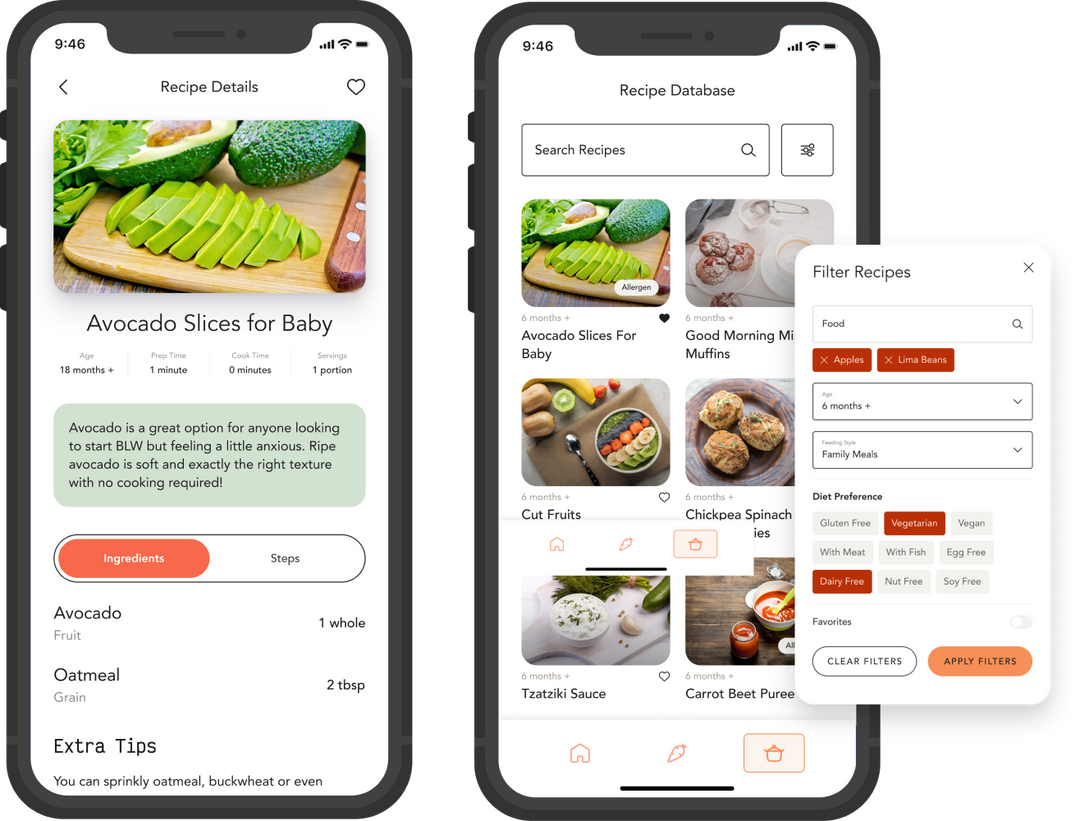
Get access to over 400 recipes tailored to your baby’s age, stage, and dietary needs - exclusively on the Bébé Foodie App.
👶 Personalized feeding plans for every stage
🥗 Recipes designed by pediatric nutritionist & chefs
📱 Track foods, log allergies, and stay organized
⏱️ Save time with quick, no-fuss meal ideas
Leave a comment